
The Rich History of the Kerala State Lottery
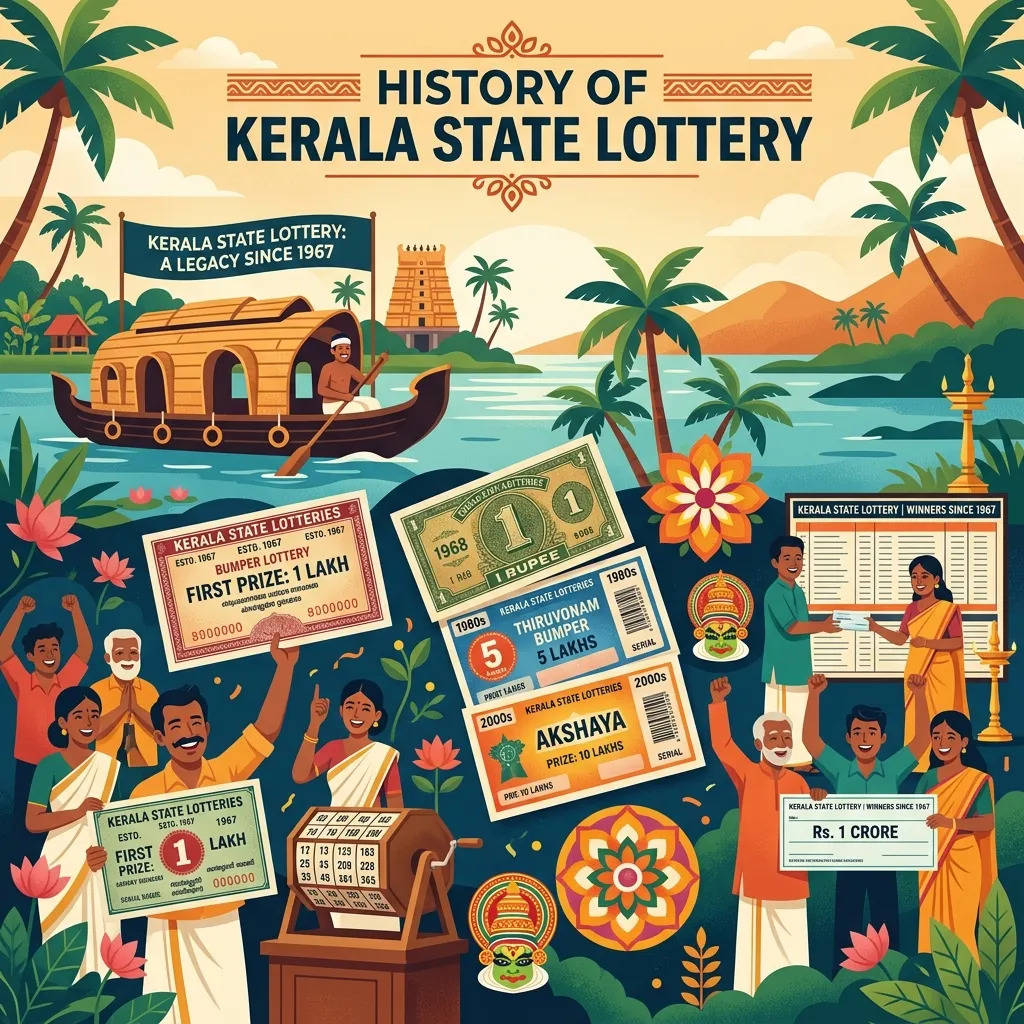
The Kerala State Lottery was established in 1967, making it the first of its kind in India. It was the brainchild of the late P. K. Kunju Sahib, who envisioned a system that would generate revenue for the state while providing employment.
Before the introduction of the state lottery, private lotteries were common but often unreliable. The government stepped in to provide a trustworthy alternative, and the first ticket was sold for just 1 Rupee.
Over 50 Years of Trust
Since 1967, the Kerala Lottery has run continuously, creating thousands of winners and supporting millions of families through direct and indirect employment.
Today, the lottery is printed in highly secure presses and the draws take place transparently at Gorky Bhavan in Thiruvananthapuram. The system has grown to include weekly lotteries and special bumper draws for major festivals like Thiruvonam and Vishu.
The history of the Kerala Lottery is not just about numbers; it is a story of economic resilience and a unique model of state-sponsored welfare that has stood the test of time.
Setting a National Benchmark
When P. K. Kunju Sahib introduced the concept in 1967, it met with skepticism. However, its immediate success proved that a state-run lottery could effectively mobilize resources without burdening the public with new taxes.
The Kerala model became a benchmark, inspiring several other Indian states to launch their own lotteries. Yet, Kerala remains unique in its commitment to running the lottery entirely through the government rather than outsourcing it to private distributors.
Historical Milestones:
- 1967: The Department of State Lotteries is established, launching the first ticket priced at ₹1.
- 1991: The introduction of the Agent Welfare Fund, formalizing support for thousands of sellers.
- 2011: The launch of the Karunya scheme, directly linking lottery profits to healthcare funding.
From a bold economic experiment to a multi-crore welfare engine, the history of the Kerala Lottery is a fascinating study in innovative public finance and social engineering.